Spinal Decompression Therapy in Largo, FL
Spinal decompression, also called decompression traction, is a non-surgical therapy that gently stretches the spine on a specialized traction table. The goal is to relieve back pain, neck pain, and leg pain while creating an optimal healing environment for bulging, herniated, or degenerated discs. At Bay Area Chiropractic, Dr. Cliff Zurkan offers spinal decompression to patients in Largo, Seminole, Clearwater, Belleair, and the surrounding communities who want an alternative to medication, injections, or surgery.
How Spinal Decompression Works
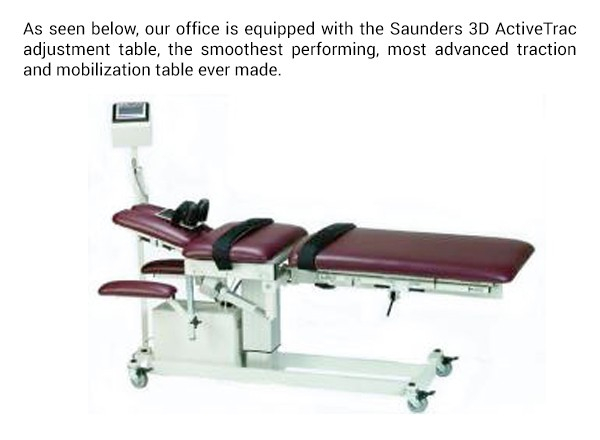
Spinal decompression benefits patients in two main ways. First, it creates negative pressure inside the disc, known as negative intradiscal pressure. This helps promote the retraction, or repositioning, of bulging or herniated disc material back toward its normal position, relieving pressure on nearby nerves. Second, the lower pressure within the disc draws in water, oxygen, and healing nutrients that help the disc repair itself.
During treatment, you lie comfortably on the decompression table while it stretches and relaxes your spine intermittently in a slow, controlled way. This gentle cycling avoids triggering the muscle guarding that can occur with ordinary traction. Most patients find the experience comfortable and relaxing, and many say it feels like a gentle massage.
Conditions Treated With Spinal Decompression
Spinal decompression may help patients suffering from:
- Herniated and bulging discs
- Degenerative disc disease
- Sciatica and radiating leg pain
- Pinched nerves and nerve pain
- Chronic lower back pain and neck pain
- Facet joint syndrome
- Spinal stenosis
- Disc injuries from auto accidents
Benefits of Decompression Traction
- Non-surgical and drug-free
- Gentle, comfortable, and relaxing
- Targets the source of disc-related pain
- Promotes the flow of healing nutrients into the disc
- Can be combined with adjustments and other therapies
Is Spinal Decompression Right for You?
Spinal decompression is not appropriate for every patient. It is generally not recommended for people with spinal fractures, advanced osteoporosis, spinal tumors, certain spinal implants, or for women who are pregnant. Dr. Zurkan performs a thorough consultation and examination, along with X-rays when needed, to determine whether you are a good candidate.
For best results, decompression is often combined with chiropractic adjustments, electrical muscle stimulation, low force laser therapy, ultrasound therapy, and core-strengthening exercises.
A Calm, Caring Environment
Our entire staff is dedicated to helping you live pain-free as quickly as possible. We never just mask the pain. Instead, we work to get to the bottom of your spinal problems so you can feel your best for the long term. Our office provides a calm atmosphere so you feel comfortable while your body heals.
If you have any questions about spinal decompression or would like to schedule an appointment, contact us today at (727) 518-1999.
Spinal Decompression FAQs
What is spinal decompression therapy?
Spinal decompression is a non-surgical treatment that gently stretches the spine on a traction table to relieve pressure on spinal discs and nerves and promote healing.
Does spinal decompression hurt?
No. Most patients find it comfortable and relaxing. The table stretches and relaxes the spine gradually in a controlled way.
How long is a spinal decompression session?
Sessions typically last around 20 to 30 minutes, and decompression is often combined with other therapies during the same visit.
How many decompression treatments will I need?
Most patients need a series of treatments over several weeks. Dr. Zurkan will recommend a schedule based on your condition and response to care.
Is spinal decompression an alternative to back surgery?
For many patients with disc-related pain, spinal decompression offers a non-surgical option worth trying. Dr. Zurkan will refer you to a specialist if another approach is needed.
Who should not have spinal decompression?
Decompression is generally not recommended for people with spinal fractures, advanced osteoporosis, spinal tumors, certain spinal implants, or during pregnancy.
What is the difference between decompression and regular traction?
Spinal decompression uses controlled, intermittent cycles of stretching and relaxation designed to create negative pressure in the disc while helping the surrounding muscles stay relaxed.